
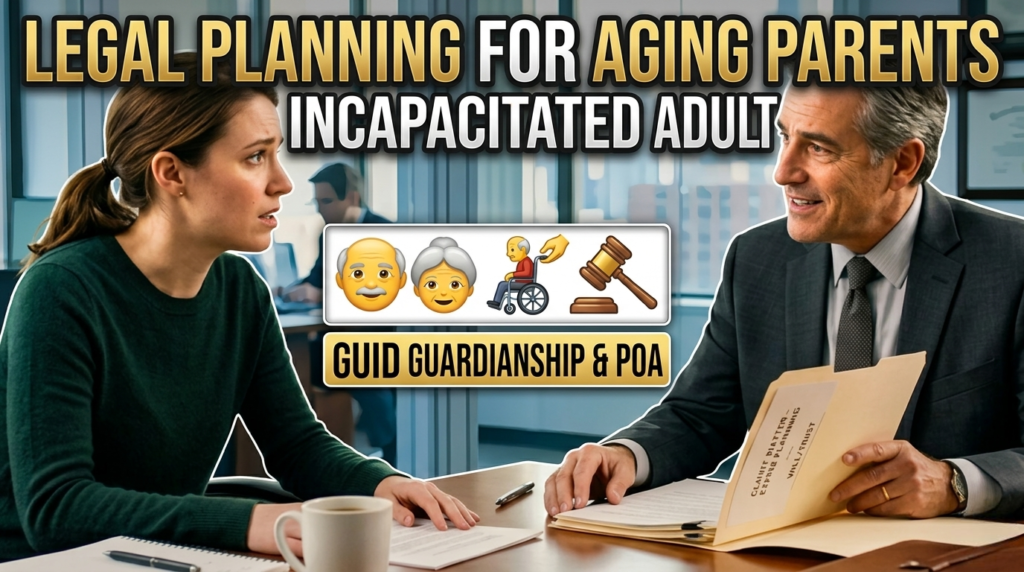
Watching a parent or loved one lose the ability to manage their own affairs is one of the hardest experiences a family can face. Whether it’s due to dementia, a sudden illness, or an accident, the lack of a legal plan can leave families scrambling through court processes at the worst possible time. Proactive legal planning protects both the incapacitated adult’s wellbeing and the family’s peace of mind.
Why Planning Matters Before a Crisis Hits
Many families wait until a health emergency forces the issue, but by then options narrow considerably. If a parent becomes incapacitated without documents in place, family members may have no legal authority to make medical or financial decisions on their behalf, even with the best intentions. This often means turning to the courts for help, a process that takes time, money, and emotional energy that could have been avoided with earlier planning.
Key Documents Every Family Should Consider
A few foundational documents can prevent most emergencies from becoming legal battles. A durable power of attorney allows a trusted person to manage finances if the principal becomes unable to do so. A healthcare proxy or advance directive designates someone to make medical decisions and outlines treatment preferences. A revocable living trust can also help manage assets smoothly without court involvement. These documents work best when created while the individual still has legal capacity to sign them.
When Guardianship Becomes Necessary
If a loved one is already incapacitated and no planning documents exist, families typically need to pursue guardianship or conservatorship through the court system. This is where working with a knowledgeable legal guardianship lawyer becomes essential. The process involves filing a petition, providing medical evidence of incapacity, notifying interested parties, and often attending a hearing where a judge determines whether guardianship is warranted and who should serve in that role.
The Role of the Courts in Protective Proceedings
Guardianship cases fall under what’s known as protective proceedings, a legal framework designed to safeguard individuals who can no longer protect their own interests. A guardianship court lawyer can help families navigate filing requirements, represent their interests at hearings, and address any objections raised by other relatives or the court-appointed evaluator. Because these proceedings directly affect someone’s civil liberties, courts apply careful scrutiny, and having proper legal representation can make the difference between a smooth resolution and a contested, drawn-out case.
Working With the Right Attorney
Not every family law practice handles incapacity matters regularly. A protective proceedings attorney who focuses specifically on guardianship, conservatorship, and elder law issues will understand the nuances of capacity evaluations, less-restrictive alternatives, and ongoing court reporting requirements that come after a guardianship is granted.
Conclusion
Legal planning for aging parents isn’t just about paperwork, it’s about preserving dignity and reducing conflict during difficult transitions. Whether your family is planning ahead or already facing a loved one’s incapacity, consulting an experienced attorney early can help protect both your loved one’s rights and your family’s wellbeing.