
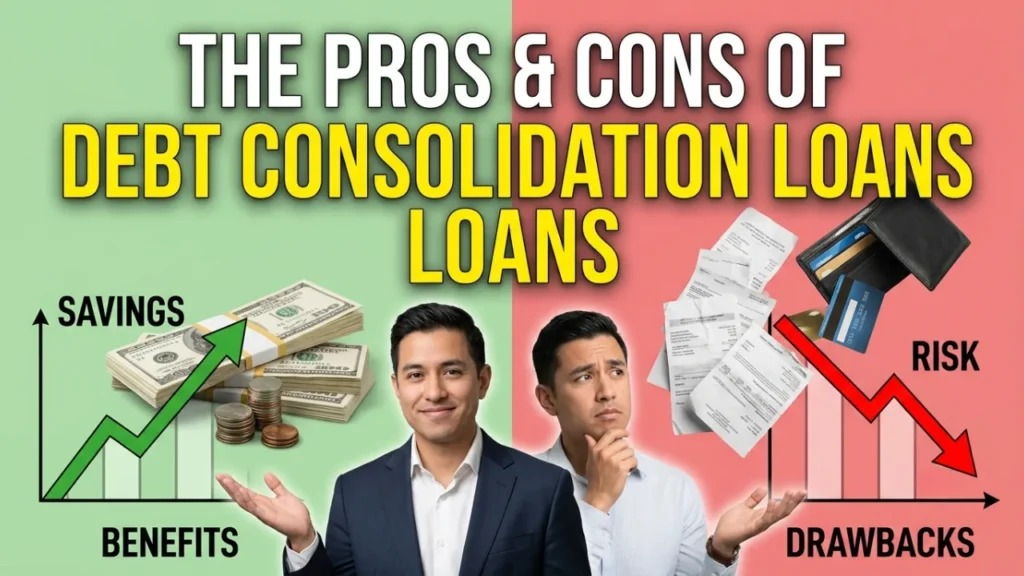
Managing multiple debts simultaneously can feel like running on a financial treadmill with no off switch. Debt consolidation loans have emerged as a widely discussed solution, promising to streamline payments and reduce financial strain. However, like any financial tool, they carry both advantages and risks. Before making a decision, it is worth understanding both sides clearly, and in some cases, speaking with a debt defense attorney in Miami can help you navigate your specific circumstances with greater confidence.
What Is a Debt Consolidation Loan?
A debt consolidation loan combines several outstanding debts into one single loan, typically with a fixed interest rate and a structured repayment timeline. The goal is to simplify your financial obligations while potentially lowering your overall interest burden.
The Advantages of Debt Consolidation
- Simplified Repayment: Instead of tracking multiple due dates and lenders, you manage a single monthly payment. This reduces the chances of missed payments that can damage your credit score.
- Potentially Lower Interest Rates: If you qualify for a loan with a lower interest rate than your existing debts, you could save a significant amount of money over time, particularly on high-interest credit card balances.
- Fixed Repayment Schedule: Consolidation loans typically come with a defined end date. Knowing exactly when your debt will be paid off can provide psychological relief and improved financial planning.
- Credit Score Improvement Over Time: Consistently making on-time payments on a consolidation loan can gradually strengthen your credit profile, which opens doors to better financial opportunities later.
- Reduced Financial Stress: Dealing with one creditor rather than several simplifies communication and reduces the volume of collection calls, letters, and statements you receive.
If you are overwhelmed by creditor pressure or facing aggressive collection tactics, a consumer protection lawyer in Florida can assess whether your rights are being violated under state or federal law.
The Disadvantages of Debt Consolidation
- Risk of Accumulating More Debt: One of the most common pitfalls is paying off credit cards through a consolidation loan and then running those cards back up, leaving you worse off than before.
- Longer Repayment Periods: While monthly payments may decrease, the extended repayment timeline means you could end up paying more in total interest over the life of the loan.
- Origination Fees and Costs: Many consolidation loans carry origination fees, prepayment penalties, or balance transfer charges that can offset the financial benefits you expected.
- Collateral Requirements: Some loans require assets like your home as collateral. Defaulting on a secured consolidation loan can put those assets at serious risk.
- Not a Root Cause Solution: Consolidation addresses symptoms, not habits. Without behavioral changes around spending and budgeting, the debt cycle is likely to repeat.
- Credit Score Impact: Applying for a new loan triggers a hard inquiry on your credit report, which can temporarily lower your score.
When consolidation feels insufficient or complications arise, a debt settlement lawyer in Miami can explore alternative legal strategies that may offer more sustainable debt relief.
When Legal Guidance Becomes Essential
Debt consolidation is not the right path for everyone. If you are facing lawsuits from creditors, wage garnishment threats, or questionable lending practices, the guidance of a professional goes far beyond financial advice. A debt defense attorney in Miami can review your situation, challenge unfair practices, and help protect your assets and rights throughout the process.
Similarly, if a lender or collection agency has crossed legal boundaries, a consumer protection lawyer in Florida can pursue remedies on your behalf under the Fair Debt Collection Practices Act or other applicable statutes.
Conclusion
Debt consolidation loans can be a powerful stepping stone toward financial stability when used correctly and with a clear plan. However, they require discipline, realistic expectations, and ideally professional insight. Whether you are considering consolidation or facing serious debt challenges, reaching out to a qualified debt settlement lawyer in Miami ensures your decisions are grounded in legal and financial reality, not just hope.
Your financial wellbeing deserves informed action, not just a quick fix.